



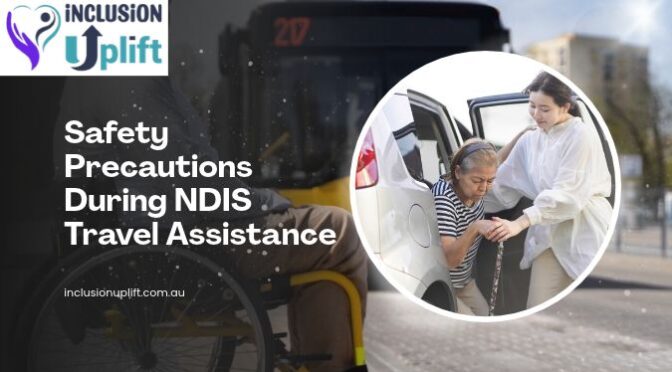
NDIS travel assistance helps people with disability access medical appointments, community activities, shopping, education and other essential services. However, safe and comfortable travel requires careful planning, appropriate transport arrangements and trained support workers. For participants in Dubbo, Brocklehurst and Geurie, these precautions help make every journey more secure, accessible and stress-free.
-
Assessing Individual Needs Before Travel
Every participant has different mobility, communication and support requirements. Before arranging a journey, providers assess the participant’s needs, preferences and any potential risks.
This may include checking whether the participant uses a wheelchair, walking aid or other mobility equipment, requires assistance getting in and out of a vehicle, or needs additional support due to sensory or behavioural challenges.
In Dubbo, Brocklehurst and Geurie, personalised travel planning helps ensure that transport arrangements suit each participant rather than relying on a one-size-fits-all approach.
-
Using Safe and Accessible Vehicles
Vehicle safety is essential during NDIS travel assistance in Geurie and the other mentioned regions. Providers should ensure that vehicles are roadworthy, regularly maintained and suitable for the participant’s requirements.
Important precautions include:
- Checking seatbelts, tyres, brakes, and other essential safety features.
- Using wheelchair-accessible vehicles when required.
- Securing wheelchairs and mobility equipment correctly.
- Ensuring passengers wear seatbelts throughout the journey.
- Keeping vehicles clean and free from unnecessary obstructions.
These measures help reduce the risk of injuries and provide participants with a safer travel experience.
-
Employing Trained and Reliable Support Workers
Support workers play an important role in maintaining participant safety. They should have appropriate training, understand their responsibilities, and know how to respond to emergencies.
Depending on the role and applicable requirements, relevant checks, driver licensing, first aid training and disability support experience may also be necessary.
During travel, support workers should communicate clearly, provide respectful assistance and monitor the participant’s comfort. They must also follow agreed support plans and maintain professional boundaries.
-
Planning Routes and Managing Travel Risks
Careful route planning can help prevent unnecessary delays and reduce exposure to potential hazards. Providers should consider traffic conditions, road quality, weather, travel time and accessibility before departure.
For journeys between Dubbo, Brocklehurst and Geurie, it is useful to identify suitable pickup and drop-off locations and allow additional time for participants who need assistance boarding or leaving the vehicle.
In regional areas, providers should also consider mobile coverage, fuel availability and contingency arrangements for unexpected delays or vehicle breakdowns.
-
Maintaining Health, Comfort and Personal Safety
A safe journey involves more than reaching the destination. Participants should feel comfortable, respected and supported throughout the trip.
Support workers offering NDIS transport support in Dubbo should check whether participants need rest breaks, drinking water, assistance with mobility, or other agreed support. Any relevant health needs should be managed according to the participant’s support plan and the worker’s training.
Providers must also respect privacy, obtain appropriate consent and communicate any changes to travel arrangements. Participants should know who is accompanying them and where they are going.
-
Preparing for Emergencies
Even with careful planning, unexpected situations can occur. NDIS travel providers should have procedures for medical emergencies, accidents, vehicle breakdowns and other incidents.
Support workers should know how to contact emergency services, notify the appropriate people and follow incident reporting procedures. Participants’ emergency contacts and relevant support information should be available when necessary, with privacy protected.
-
Following NDIS Standards and Provider Responsibilities
NDIS providers must meet the requirements applicable to their registration and services. This includes relevant NDIS Practice Standards, the NDIS Code of Conduct and applicable transport and road safety obligations.
Participants and their families can ask providers about vehicle accessibility, worker qualifications, emergency procedures and how concerns are handled. Choosing a provider that prioritises transparency and individual needs can help build confidence in travel arrangements.
Choose Safer NDIS Travel Assistance in Dubbo, Brocklehurst and Geurie
Safe NDIS transport assistance in Brocklehurst and other suburbs combines personalised planning, accessible vehicles, trained support workers and effective emergency procedures. By taking these precautions, providers can help participants travel with greater confidence, independence and peace of mind. Whether travelling locally in Dubbo or between Brocklehurst and Geurie, safety and dignity should remain central to every journey.
Frequently Asked Questions
- What is NDIS travel assistance?
NDIS travel assistance helps eligible participants travel to appointments, community activities, education and other destinations. Depending on the participant’s plan and support needs, it may include transport-related assistance or support from a worker during a journey.
- What safety precautions are taken during NDIS travel assistance?
Common precautions include vehicle safety checks, seatbelt use, secure wheelchair restraints, individual risk assessments, route planning and trained support workers. Providers should also have procedures for emergencies and unexpected travel delays.
- Are NDIS travel assistance vehicles wheelchair accessible?
Some providers offer wheelchair-accessible vehicles with suitable ramps or lifts and wheelchair restraint systems. Participants should confirm vehicle accessibility and equipment availability before booking transport.
- Can support workers accompany NDIS participants to medical appointments?
Yes, support workers may accompany participants to medical appointments when this assistance aligns with their needs, agreed supports and applicable NDIS funding arrangements. The level of assistance should be discussed before travel.
- Is NDIS travel assistance available in Dubbo, Brocklehurst and Geurie?
NDIS travel assistance may be available across Dubbo, Brocklehurst and Geurie, depending on provider coverage and service availability. Contact local providers to confirm their service areas, transport options and booking requirements.
- How can I choose a safe NDIS travel assistance provider?
Look for a provider that assesses individual needs, uses suitable and well-maintained vehicles, employs appropriately qualified workers and follows relevant safety requirements. Ask about emergency procedures, accessibility, incident reporting, and how your preferences will be respected.
Make Every NDIS Journey Safer and Easier
Looking for reliable NDIS travel assistance in Dubbo, Brocklehurst or Geurie? Choose Inclusion Uplift as your provider since we prioritise your safety, comfort and independence. Call 0480 205 663 today to discuss your travel needs and find support that suits your NDIS plan.