



Life is filled with everyday tasks, decisions, and interactions that shape our independence and overall wellbeing. For many individuals, especially people living with mobility issues, developing essential abilities can create new opportunities for confidence, participation, and personal growth. This is where Development-Life Skills play a valuable role.
Development-Life Skills focus on building practical abilities that help individuals manage daily routines, communicate effectively, solve problems, and participate more actively in their communities. With personalised support and consistent practice, these skills can transform ordinary experiences into meaningful achievements, helping people gain greater control over their lives.
What Are Development-Life Skills?
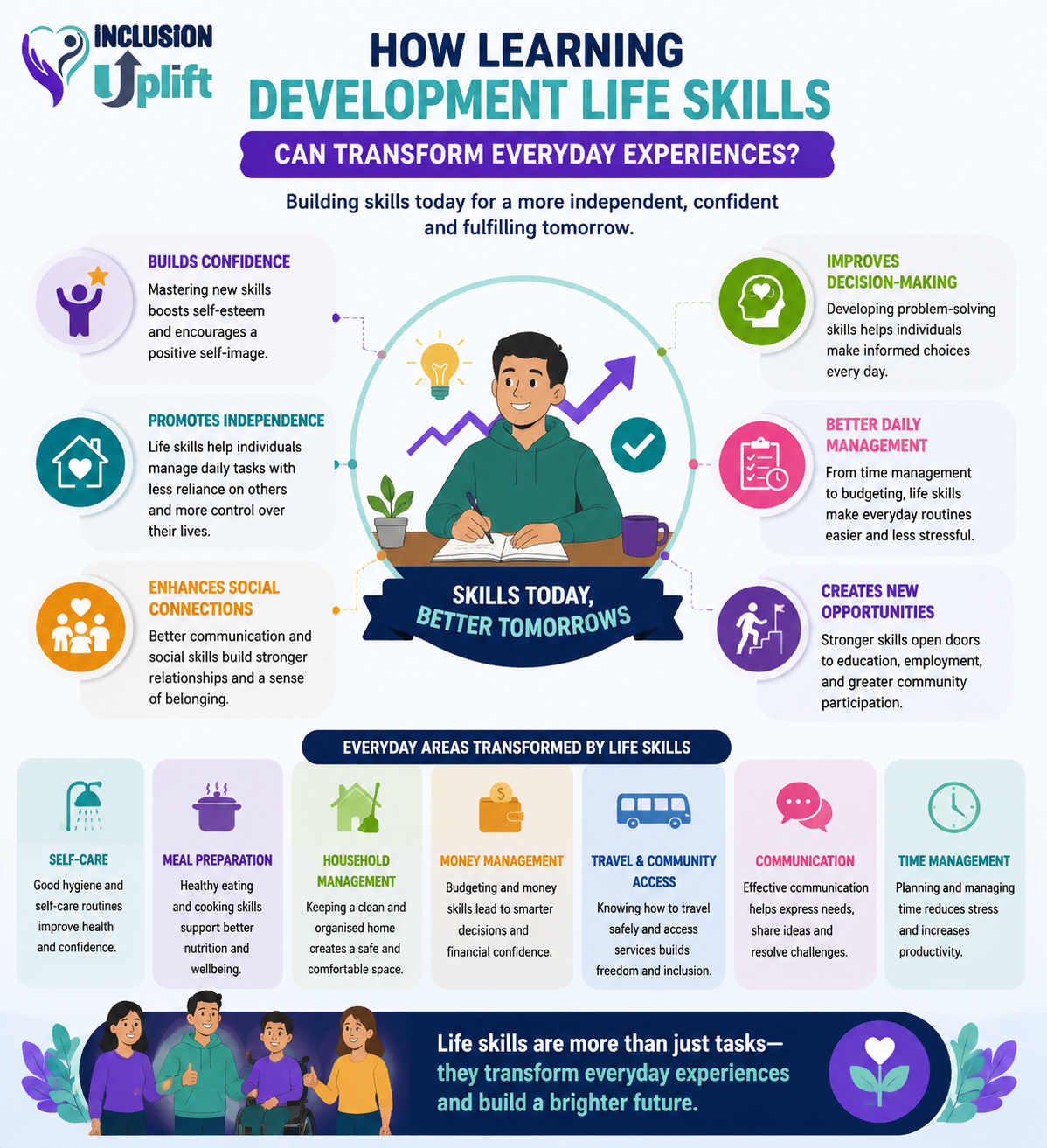
Development-Life Skills are the abilities people use to navigate everyday situations successfully. These skills go beyond basic tasks and include emotional, social, cognitive, and practical capabilities that support independence.
Some important areas of Development-Life Skills include:
- Personal care and hygiene management
- Meal preparation and healthy lifestyle choices
- Household responsibilities
- Communication and social interaction
- Money management and budgeting
- Time management and organisation
- Decision-making and problem-solving
- Community participation and travel skills
By developing these abilities, individuals can feel more confident managing daily challenges and making choices that align with their personal goals.
How Development-Life Skills Improve Independence?
One of the biggest benefits of learning Development-Life Skills is increased independence. When individuals learn how to complete daily activities with greater confidence, they often experience improved self-reliance and reduced dependence on others.
For example, learning how to prepare meals, organise appointments, or manage household tasks can provide a stronger sense of achievement. These small steps contribute to larger goals, such as living more independently and actively participating in community life.
Access to Development-Life Skills in Rawsonville can support individuals by providing opportunities to strengthen practical abilities while receiving guidance suited to their unique needs and goals.
Building Confidence Through Everyday Achievements
Confidence often grows when individuals recognise their own abilities and successfully overcome challenges. Development-Life Skills training encourages people to learn at their own pace, celebrate progress, and develop a positive sense of self.
Whether it is learning a new household skill, improving communication, or taking part in social activities, every achievement can contribute to greater confidence. Over time, these improvements can help individuals approach new experiences with a more positive mindset.
Supporting Social Connection and Community Participation
Development-Life Skills are not only about completing tasks; they also help individuals connect with others and become more involved in their communities. Communication skills, social confidence, and community access abilities can make it easier to build relationships, attend activities, and access essential services. These experiences help create a stronger sense of belonging and inclusion.
For individuals seeking personalised support, Development-Life Skills in Toongi can provide valuable opportunities to develop skills that encourage greater participation, independence, and engagement in everyday life.
The Role of Personalised Support in Skill Development
Everyone learns differently, which is why personalised Development-Life Skills programs are important. Support should focus on an individual’s strengths, preferences, and personal goals. Professional support providers can help individuals practise skills in real-life environments, offering encouragement and guidance while promoting choice and independence. This person-centred approach ensures that learning is practical, meaningful, and connected to everyday experiences.
Learning Development-Life Skills can have a lasting impact by helping individuals become more independent, confident, and engaged in their communities. From managing daily routines to building social connections, these skills provide the foundation for a more empowered and fulfilling life. With the right support, individuals can continue developing abilities that help them achieve personal goals and experience greater control over their everyday choices.
Connect With Us Today
Ready to explore personalised Development-Life Skills support? Contact Inclusion Uplift today and discover how tailored support can help build confidence, independence, and meaningful life experiences.
Call us at 0480 205 663 or email us at info@inclusionuplift.com.au for more information.
FAQs On Development Life Skills
- What are Development Life Skills?
Development Life Skills are practical abilities that help individuals manage everyday activities, make decisions, communicate effectively, and become more independent. These skills include personal care, household tasks, budgeting, problem-solving, social interaction, time management, and community participation.
By learning and improving these skills, individuals can gain greater confidence and develop the ability to handle daily situations more effectively.
- How can learning Development Life Skills transform everyday experiences?
Learning Development Life Skills can make everyday activities easier, more manageable, and more rewarding. These skills help individuals build confidence, improve independence, and participate more actively in their personal and community lives.
From preparing meals and managing routines to communicating needs and making decisions, life skills provide the foundation for a more empowered and fulfilling lifestyle.
- Why are Development Life Skills important for independence?
Development Life Skills help individuals complete daily tasks with greater confidence and less reliance on others. Skills such as cooking, personal care, travel training, and household management encourage self-reliance.
For people with disabilities, developing these abilities can support greater choice, control, and independence in everyday life.
- Can Development Life Skills improve confidence and self-esteem?
Yes. Achieving personal goals through Development Life Skills training can significantly improve confidence and self-esteem. Each successful step, whether learning a new task or overcoming a challenge, creates a sense of achievement.
As individuals recognise their abilities, they often become more willing to try new experiences and take on greater responsibilities.
- What types of skills are included in Development Life Skills programs?
Development Life Skills programs can include a wide range of practical and personal skills, such as:
- Personal hygiene and self-care
- Cooking and meal preparation
- Household organisation
- Money management and budgeting
- Communication skills
- Social skills and relationship building
- Time management
- Travel and community access
- Decision-making and problem-solving
The focus is usually personalised according to each individual’s needs, goals, and abilities.
- How do Development Life Skills support community participation?
Strong life skills help individuals feel more comfortable and confident when engaging with their communities. Communication skills, travel abilities, and social confidence can make it easier to attend appointments, participate in activities, build friendships, and access community services.
Greater community participation can improve social connections and create a stronger sense of inclusion.
- How do Development Life Skills help with daily routines?
Development Life Skills make everyday routines easier by teaching individuals how to plan, organise, and complete important tasks. Skills such as managing schedules, preparing meals, maintaining a home, and prioritising responsibilities can reduce stress and improve daily wellbeing.
With regular practice and support, individuals can create routines that work best for their lifestyle.
- Who can benefit from learning Development Life Skills?
People of all ages and abilities can benefit from learning Development Life Skills. They are especially valuable for individuals who want to improve independence, confidence, communication, and participation in daily activities.
For NDIS participants, personalised life skills support can help achieve individual goals and improve quality of life.
- How does personalised support improve Development Life Skills learning?
Everyone learns differently, so personalised support ensures that learning is suited to an individual’s pace, preferences, and goals. Support providers can offer guidance, encouragement, and practical training in real-life environments.
This approach helps individuals build skills gradually while maintaining choice, dignity, and independence.
- What are the long-term benefits of developing life skills?
The long-term benefits of Development Life Skills include greater independence, improved confidence, stronger social connections, and increased opportunities for personal growth.
By continuously developing these skills, individuals can gain more control over their choices, participate more fully in their communities, and create a more meaningful everyday life.