



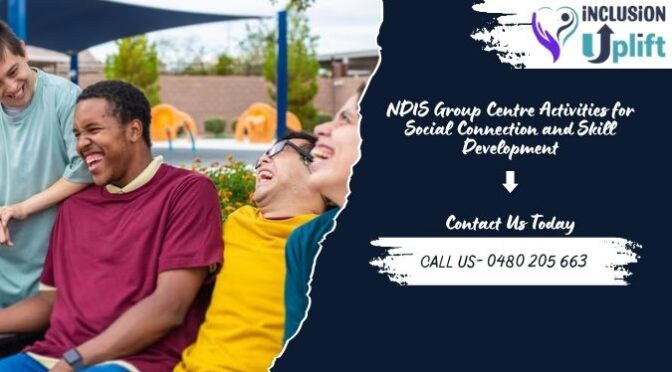
NDIS group centre activities offer participants valuable opportunities to socialise, learn new skills, build confidence, and engage with their community. While participants enjoy the benefits of these programs, many may not realise the amount of planning that goes into creating safe, enjoyable, and meaningful group experiences.
In Rawsonville and Minore, support workers play a crucial role in designing and coordinating group centre activities that align with participants’ goals, interests, and support needs. Careful planning ensures every activity is inclusive, engaging, and beneficial for everyone involved.
Understanding Participant Goals and Interests
The planning process begins by understanding the individuals who will participate in the activities. Support workers take time to learn about participants’ NDIS goals, personal interests, strengths, and support requirements.
Some participants may want to improve communication skills, while others may focus on building friendships, increasing independence, or developing practical life skills. By understanding these goals, support workers can create activities that provide meaningful outcomes rather than simply filling time.
Participant feedback is also highly valued. Many activity schedules are shaped by suggestions and preferences provided by those attending the programs.
Creating Activities That Support Skill Development
Group centre activities are designed to be both enjoyable and purposeful. Support workers carefully select activities that help participants develop important life and social skills while maintaining a fun and welcoming environment.
Depending on participant goals, NDIS group centre activities in Rawsonville and other regions typically focus on:
- Communication and social interaction
- Teamwork and collaboration
- Problem-solving skills
- Confidence building
- Creative expression
- Daily living skills
- Community engagement
By incorporating learning opportunities into enjoyable activities, participants can continue developing valuable skills in a relaxed setting.
Ensuring Activities Are Inclusive for Everyone
Every participant has unique abilities and support needs. One of the most important responsibilities of support workers is ensuring activities are accessible and inclusive.
When planning sessions, support workers consider factors such as mobility requirements, communication preferences, sensory sensitivities, and individual support levels. Activities may be modified to ensure everyone can participate comfortably and confidently.
This inclusive approach helps participants feel valued, respected, and empowered to engage with others.
Prioritising Safety and Wellbeing
Safety is a key consideration in every stage of activity planning. Before an activity takes place, support workers assess potential risks and develop strategies to minimise them.
This may include:
- Conducting risk assessments
- Ensuring venues are accessible
- Preparing emergency procedures
- Considering participant health requirements
- Maintaining appropriate staff-to-participant ratios
- Monitoring environmental conditions
Support workers also remain attentive throughout NDIS group centre activities in Minore and other regions, providing assistance when needed and responding quickly to any concerns that arise.
Encouraging Social Connections
One of the greatest benefits of NDIS group centre activities is the opportunity to build friendships and social confidence. Support workers carefully plan activities that encourage positive interaction between participants.
Group games, collaborative projects, discussions, and community outings create natural opportunities for participants to connect with others who share similar interests and experiences.
These social connections can help reduce feelings of isolation while promoting a greater sense of belonging within the community.
Balancing Routine with Variety
A successful group activity program offers a balance between familiar routines and exciting new experiences. Support workers understand that many participants benefit from predictable schedules, while also enjoying opportunities to try something different.
To achieve this balance, activity calendars often combine regular favourites with seasonal events, workshops, themed activities, community excursions, and special projects.
This variety keeps participants engaged while maintaining the structure many individuals find comforting and supportive.
Reviewing and Improving Activities
Planning does not stop once an activity has been completed. Support workers regularly evaluate programs to determine what worked well and where improvements can be made.
Participant feedback, observations, and outcomes are used to refine future activities. This ongoing review process helps ensure programs remain relevant, engaging, and aligned with participant goals.
As participant needs and interests evolve, activity programs can also be adjusted to continue providing meaningful experiences.
Supporting Positive Outcomes in Rawsonville and Minore
NDIS group centre activities are carefully planned to provide far more than entertainment. Through thoughtful preparation, support workers create opportunities for participants to develop skills, build confidence, form friendships, and work towards their personal goals.
For participants in Rawsonville and Minore, these well-planned activities offer a supportive environment where growth, connection, and community participation can flourish. With the guidance of experienced support workers, every activity becomes an opportunity to learn, engage, and achieve meaningful outcomes.
FAQ: How Do Support Workers Create Engaging Group Centre Activities?
- What are NDIS group centre activities?
NDIS group centre activities are structured programs that bring participants together to develop social, recreational, life, and community participation skills in a supportive group setting.
- How do support workers decide which activities to run?
Support workers consider participants’ NDIS goals, interests, abilities, support needs, and feedback when planning activities to ensure they are meaningful and beneficial.
- Are group centre activities customised for different participants?
Yes. Activities are often adapted to accommodate varying abilities, communication styles, mobility needs, and personal preferences to ensure everyone can participate comfortably.
- What types of skills can participants develop through group activities?
Participants can develop communication skills, teamwork, confidence, problem-solving abilities, social skills, daily living skills, and greater independence.
- How do support workers ensure participant safety during activities?
Support workers conduct risk assessments, monitor activities, maintain appropriate supervision, follow safety procedures, and provide support tailored to individual participant needs.
- Can participants suggest activities they would like to join?
Absolutely. Participant input is encouraged and often helps shape future activity schedules to ensure programs remain engaging and relevant.
- Do group centre activities help reduce social isolation?
Yes. These activities provide opportunities to meet new people, build friendships, strengthen social skills, and become more connected to the local community.
- Are community outings included in NDIS group centre programs?
Many providers include community-based activities such as local excursions, educational visits, recreational outings, and social events as part of their programs.
- How often are activity programs reviewed?
Support workers regularly evaluate activities by gathering participant feedback and monitoring outcomes to ensure programs continue meeting participant goals and interests.
- Can NDIS group centre activities support long-term personal development?
Yes. Consistent participation can help individuals build confidence, improve independence, develop valuable life skills, and work towards achieving their NDIS goals over time.
Discover Meaningful Group Activities
Looking for engaging and supportive NDIS group centre activities? Contact Inclusion Uplift, your friendly disability services and support organisation, today to learn how our tailored programs can help you build skills, make connections, and achieve your personal goals. Call 0480 205 663 now.